 Ready Made Engagement Rings
 Start with Ring Setting
 Start with Diamond / Sapphire
 Solitaire
 Side Stones
 Vintage
 Bezel
Bezel
 Halo
Halo
 Three Stone
 Toi et Moi
 Round
Round
 Cushion
 Radiant
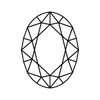
 Oval
Oval
 Pear
Pear
 Emerald
 Marquise
 Ready-to-Purchase Sapphire Engagement Rings
 Custom Sapphire Ring Design Form
 Custom Build your Sapphire Ring
 Sapphire Anniversary/Wedding Rings
 Teal
Teal
 Pink
Pink
 Blue
Blue
 Purple
 Green
Green
 Orange
 Parti
Parti
 White
White
 Yellow
 Round
Round
 Emerald
 Oval
Oval
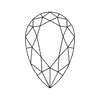 Pear
Pear
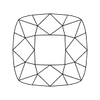 Cushion
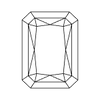 Radiant
 Elongated Cushion
 Marquise
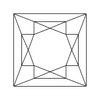 Princess
 MELB: (03) 9805 0800



Diamond Shapes: How to Choose the Perfect Shape for Your Engagement Ring

Choosing a diamond shape is one of the most exciting parts of creating an engagement ring. The shape determines the diamond’s overall outline and has a major influence on how the finished ring looks on the hand.
Round diamonds offer timeless brilliance, while oval, pear and marquise diamonds create an elegant elongated appearance. Emerald and Asscher cuts deliver a sophisticated hall-of-mirrors effect, while radiant, cushion and princess diamonds provide their own distinctive balance of sparkle and shape.
There is no single best diamond shape for an engagement ring. The perfect choice is the one that reflects your personal style, complements your preferred setting and provides the appearance you love within your budget.
This complete diamond-shape guide explains the characteristics, advantages and considerations of the most popular options.
What Is the Most Popular Diamond Shape?
The round brilliant remains the most popular diamond shape for engagement rings. It is prized for its exceptional light return, balanced proportions and timeless appearance.
However, fancy-shaped diamonds such as oval, radiant, emerald, pear and cushion cuts have become increasingly popular with couples wanting something more individual.
The most popular diamond shapes for engagement rings include:
- Round brilliant
- Oval
- Radiant
- Emerald
- Cushion
- Pear
- Marquise
- Princess
- Asscher
- Heart
- Trilliant or trillion
Diamond Shape vs Diamond Cut: What Is the Difference?
Diamond shape and diamond cut are related, but they are not the same.
Diamond shape describes the visible outline of the stone, such as round, oval, square, rectangular or pear.
Diamond cut describes how the diamond’s facets have been arranged and proportioned to interact with light. Cut quality influences brightness, fire, scintillation and overall beauty.
A diamond can have a beautiful shape but still display poor light performance if its proportions and faceting are not well balanced.
GIA currently provides an overall cut grade for standard round brilliant diamonds. Fancy shapes do not receive an overall GIA cut grade, so their proportions, videos and visual appearance require careful assessment.
Diamond Shape Comparison
| Diamond shape | Overall appearance | Sparkle style | Key consideration |
|---|---|---|---|
| Round brilliant | Classic and symmetrical | Maximum brilliance | Often commands a price premium |
| Oval | Elegant and elongated | Bright and lively | Check the bow-tie effect |
| Radiant | Modern square or rectangle | Brilliant with crushed-ice detail | Compare length-to-width ratios |
| Emerald | Refined and geometric | Hall-of-mirrors flashes | Clarity is more visible |
| Cushion | Soft square with rounded corners | Romantic and varied | Faceting styles differ significantly |
| Pear | Teardrop silhouette | Brilliant and distinctive | Check symmetry and protect the point |
| Marquise | Long with pointed ends | Bright and dramatic | Check bow-tie and point protection |
| Princess | Contemporary square | Bright and energetic | Corners require protection |
| Asscher | Square and architectural | Deep hall-of-mirrors effect | Clarity and symmetry are important |
| Heart | Romantic and symbolic | Brilliant | Symmetry is essential |
| Trilliant | Triangular and contemporary | Bright and dynamic | Often used as a side stone |
Round Brilliant-Cut Diamonds
Explore round diamond engagement rings
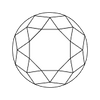
The round brilliant is the classic diamond shape and remains an enduring choice for engagement rings.
Its symmetrical outline and carefully designed brilliant-style faceting allow it to return an exceptional amount of light. This creates the brightness, fire and scintillation most people associate with a sparkling diamond.
Round diamonds are extremely versatile and work beautifully in almost every engagement ring style, including:
- Solitaire settings
- Hidden halos
- Classic halos
- Trilogy rings
- Bezel settings
- Diamond-set bands
Why choose a round diamond?
Choose a round brilliant if you want maximum sparkle, timeless styling and a shape that will work with almost any setting.
What should you consider?
Round diamonds generally command a higher price per carat than fancy-shaped diamonds because of demand and the amount of rough diamond lost during cutting.
Oval-Cut Diamonds
Explore oval diamond engagement rings
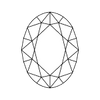
Oval diamonds combine brilliant-style sparkle with a graceful, elongated outline. They offer a softer alternative to rectangular shapes while still creating strong visual impact.
Because oval diamonds can have a larger face-up surface area than some round diamonds of the same carat weight, they may appear larger on the hand. Their elongated outline can also create the impression of greater length across the finger.
Why choose an oval diamond?
Choose an oval if you want impressive sparkle, an elegant silhouette and a diamond that may appear larger for its carat weight.
What should you consider?
Oval diamonds can display a darker area across the centre known as a bow-tie effect. Most elongated brilliant shapes have some degree of bow tie, but an overly dark or distracting bow tie can affect the diamond’s overall beauty.
Oval proportions also vary. Some are short and softly rounded, while others are longer and more slender. The best ratio is ultimately a matter of personal preference.
Radiant-Cut Diamonds
Explore radiant diamond engagement rings
Radiant-cut diamonds combine a square or rectangular outline with brilliant-style faceting.
Their cropped corners create a strong geometric silhouette, while their faceting produces a lively mixture of brightness and smaller flashes of light. Some radiants display a more defined facet pattern, while others have a crushed-ice appearance.
Why choose a radiant diamond?
Choose a radiant if you love the shape of an emerald cut but prefer more sparkle and visual movement.
What should you consider?
Radiants are available in a broad range of proportions. A square radiant provides a bold, balanced appearance, while an elongated radiant creates a more slender rectangular silhouette.
Look closely at the diamond’s video to assess its brightness, symmetry and whether any areas appear excessively dark or transparent.
Emerald-Cut Diamonds
Explore emerald-cut engagement rings
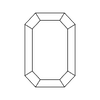
Emerald-cut diamonds are known for their understated elegance and long, linear facets.
Rather than producing the smaller, rapid flashes associated with brilliant cuts, an emerald diamond displays broad flashes of light and a distinctive hall-of-mirrors effect. Its cropped corners and elongated rectangular outline create a clean, sophisticated appearance.
Why choose an emerald-cut diamond?
Choose an emerald cut if you prefer refined geometry, elegant lines and a less conventional style of sparkle.
What should you consider?
The large open table and step-cut faceting can make inclusions and body colour more visible. Clarity, transparency and facet balance are therefore particularly important.
An emerald cut should also be viewed in motion to confirm that the facets alternate attractively between light and dark rather than appearing dull or overly transparent.
Cushion-Cut Diamonds
Explore cushion-cut engagement rings
Cushion-cut diamonds have a square or rectangular outline with softly rounded corners, giving them their distinctive pillow-like appearance.
The cushion has a long history, with modern versions evolving from antique cushion and old mine cutting styles. Today, cushion diamonds are available with a variety of facet patterns and proportions.
Some display broad, defined flashes of light, while others produce a fine crushed-ice sparkle.
Why choose a cushion diamond?
Choose a cushion if you want a romantic shape that combines soft curves with a square or rectangular outline.
What should you consider?
Cushion diamonds vary significantly, so two stones with similar grading specifications may look completely different. Compare the length-to-width ratio, corner shape, facet pattern and face-up size.
Pear-Shaped Diamonds
Explore pear-shaped engagement rings
The pear-shaped diamond combines the rounded end of an oval or round diamond with a single tapered point, creating an elegant teardrop silhouette.
Pear diamonds can range from softly rounded and wider in shape to long and slender. Their asymmetrical outline makes them a distinctive choice for solitaire, halo and toi et moi engagement rings.
Why choose a pear diamond?
Choose a pear if you want a graceful, individual shape with strong visual length and brilliant sparkle.
Which way should a pear diamond be worn?
There is no compulsory direction. Pear diamonds are traditionally worn with the point facing away from the wearer, but the ring can be designed in either orientation. The choice is personal.
What should you consider?
Look for balanced shoulders, even wings and a centred point. Pear diamonds may also display a bow-tie effect.
The pointed end is more vulnerable to impact and should be protected by a claw, V-shaped prong or bezel-style setting.
Marquise-Cut Diamonds
Explore Marquise diamond engagement rings
Marquise diamonds have an elongated outline with curved sides and a point at each end.
Their large face-up surface area can create an impressive appearance relative to their carat weight. The distinctive shape is ideal for someone who wants a dramatic engagement ring with a sense of length and movement.
Why choose a marquise diamond?
Choose a marquise if you want a highly distinctive shape, an elongated appearance and strong visual coverage.
What should you consider?
Symmetry is essential. The two points should align, and the curved sides should appear balanced.
Most marquise diamonds display some degree of bow tie. A small amount of contrast can add character, but an overly dark centre may be distracting.
Both points should be protected by appropriately designed claws or V-shaped prongs.
Princess-Cut Diamonds
Explore princess-cut engagement rings
Princess-cut diamonds have a square outline, sharp corners and brilliant-style faceting.
They offer a contemporary geometric appearance with strong brightness and scintillation. Princess diamonds work particularly well in solitaire, halo and channel-set designs.
Why choose a princess diamond?
Choose a princess cut if you want a defined square silhouette with lively sparkle.
What should you consider?
The pointed corners are vulnerable to impact and should always be protected within the setting. V-shaped prongs or a secure bezel can help shield these areas.
Princess diamonds can also carry more of their weight beneath the surface than some elongated shapes, so compare their measurements rather than relying on carat weight alone.
Asscher-Cut Diamonds
Explore Asscher-cut engagement rings
The Asscher cut is a square step cut with cropped corners and a distinctive architectural appearance.
Its layered facets create a deep, mesmerising hall-of-mirrors effect. It shares similarities with an emerald cut but offers a more symmetrical, compact outline.
Why choose an Asscher diamond?
Choose an Asscher cut if you love Art Deco styling, geometric symmetry and a sophisticated alternative to brilliant sparkle.
What should you consider?
Like an emerald cut, an Asscher’s open faceting can make inclusions, body colour and poor symmetry more noticeable.
Asscher diamonds may also appear smaller face-up than some brilliant shapes of an equivalent carat weight because more of their weight can sit beneath the surface.
Heart-Shaped Diamonds
A heart-shaped diamond is one of the most romantic and symbolic choices for an engagement ring.
Its brilliant-style faceting produces sparkle, while its distinctive outline creates an unmistakable expression of love.
Why choose a heart diamond?
Choose a heart if you want a sentimental, individual design that does not follow traditional engagement ring conventions.
What should you consider?
Symmetry is crucial. Both lobes should be balanced, the central cleft should be defined and the point should align with the centre of the diamond.
The point also requires appropriate protection. In smaller carat weights, the heart outline may be more difficult to see clearly.
Trilliant and Trillion-Cut Diamonds
Trilliant and trillion are terms used for triangular-shaped diamonds, generally featuring brilliant-style faceting.
These diamonds create a bold, modern appearance. Although they can be used as centre stones, they are more commonly placed beside another diamond in a trilogy or three-stone engagement ring.
Why choose a trilliant diamond?
Choose a trilliant if you want a modern triangular shape or distinctive side stones that complement a larger centre diamond.
What should you consider?
The corners and outline should appear symmetrical, and pointed areas should be protected within the setting.
Which Diamond Shape Looks the Largest?
Elongated shapes such as oval, pear and marquise diamonds can often appear larger than other shapes of the same carat weight because they provide greater visual coverage across the finger.
Radiant and emerald-cut diamonds can also offer an impressive face-up appearance, depending on their proportions.
However, shape alone does not guarantee that a diamond will look larger. Two diamonds with the same shape and carat weight can have different face-up measurements depending on how their weight is distributed.
Always compare the diamond’s millimetre measurements as well as its carat weight.
Which Diamond Shape Sparkles the Most?
A well-proportioned round brilliant diamond is designed to provide exceptional light return and is generally considered the benchmark for diamond sparkle.
Other brilliant-style shapes, including oval, radiant, cushion, pear, princess and marquise, can also be extremely lively. Their sparkle patterns will differ according to their facet arrangement and proportions.
Emerald and Asscher diamonds provide a different visual experience. Rather than intense scintillation, they offer broader, more dramatic flashes of light.
What Is a Diamond Bow-Tie Effect?
A bow tie is an area of darker contrast that can appear across the centre of elongated brilliant-shaped diamonds.
It is commonly seen in:
- Oval diamonds
- Pear diamonds
- Marquise diamonds
- Some elongated cushion and radiant diamonds
A subtle bow tie is normal and can add contrast to the stone. A dark, persistent bow tie may dominate the diamond and reduce its overall brightness.
The effect is best assessed through a high-quality video or by viewing the diamond in different lighting conditions.
How to Choose the Best Diamond Shape
When comparing diamond shapes, consider the following factors:
Your Personal Style
Do you prefer classic, romantic, contemporary, geometric or unconventional jewellery? Your everyday style can provide a strong indication of which shape you will enjoy wearing.
Your Preferred Type of Sparkle
Round, oval, radiant, cushion and princess diamonds provide brilliant-style sparkle. Emerald and Asscher diamonds offer broader, more structured flashes.
Face-Up Size
Compare the diamond’s measurements, not only its carat weight. Shape and proportions can significantly influence how large the stone appears.
Length-to-Width Ratio
The ratio determines whether a fancy-shaped diamond appears wider, squarer or more elongated. There is no universally perfect ratio, so choose the proportions you find most attractive.
Symmetry
Symmetry is especially important for oval, pear, marquise and heart-shaped diamonds. Uneven sides or misaligned points can be visible once the stone is set.
Setting Protection
Diamonds with points or sharp corners require a setting designed to protect vulnerable areas. This applies particularly to princess, pear, marquise and heart shapes.
Your Wedding Ring
Consider how the engagement ring setting will sit with a future wedding band. Some settings allow a straight wedding ring to sit flush, while others may require a curved or contoured band.
Find Your Perfect Diamond Shape at KAVALRI
The best way to choose a diamond shape is to compare several options and see how they look on the hand.
KAVALRI offers an extensive selection of natural and lab-grown diamonds in classic and fancy shapes. Our experienced diamond consultants can help you compare proportions, sparkle, face-up size and overall value rather than relying on grading specifications alone.
You can explore our diamond engagement rings online or book an appointment at one of our Melbourne, Sydney, Brisbane or Perth showrooms.
Whether you love the timeless sparkle of a round brilliant, the elegance of an oval or the refined geometry of an emerald cut, our team can help you find a diamond and setting you will love wearing for years to come.
Frequently Asked Questions About Diamond Shapes
What is the best diamond shape for an engagement ring?
There is no single best shape. Round diamonds suit those wanting timeless brilliance, elongated shapes provide strong visual coverage, and step cuts offer a refined geometric appearance. The best choice is the shape you personally find most beautiful.
What is the most timeless diamond shape?
The round brilliant is widely considered the most timeless shape because of its symmetry, versatility and exceptional sparkle.
What diamond shapes make fingers appear longer?
Elongated diamonds such as oval, pear, marquise, emerald and rectangular radiant cuts can create the visual impression of length when positioned vertically on the finger.
Which diamond shape offers the best value?
Fancy-shaped diamonds can sometimes cost less per carat than comparable round brilliant diamonds. Value depends on the individual stone, its quality, proportions and current market availability.
Which diamond shapes require the most protection?
Princess, pear, marquise and heart-shaped diamonds have points or sharp corners that should be protected by suitable prongs, bezels or other secure setting details.
Is diamond shape included in the 4Cs?
No. The 4Cs are cut, colour, clarity and carat weight. Diamond shape describes the outline of the stone and is selected according to personal preference.
Do fancy-shaped diamonds receive a cut grade?
GIA currently provides an overall cut grade for standard round brilliant diamonds. Fancy shapes generally receive polish and symmetry grades, but not an overall GIA cut grade. Their proportions and appearance should therefore be assessed carefully.


lmpfh8
Leave a comment